This is the CON half of PRO/CON pair of columns talking about expectations for the upcoming season of The Walking Dead beginning tonight at 9 p.m. on AMC. Unless you are on Dish Network. In that case you’re screwed.
The Walking Dead is big on the metaphorical zombie.
People can be worse than the ghouls roaming the Georgia highways. Friends can lose their humanity. Loved ones can crumble in a moment of weakness and be more dangerous than whatever viral menace mangled the world.
Appropriate to the subject matter of the show, my love for AMC’s biggest hit also underwent a transformation. See, I started writing recaps for TWD because I loved the first season. Loved it. Not only was it enjoyable, but for those who enjoy the horror half of “genre” popular art it was important.
It had the capability to do for horror what Battlestar Galactica did for science fiction. Maybe it would never snag the Emmy hardware but it could perennially stay in the mouths of critics enough to demonstrate what well-told, violent, smart suspense is not something to be ashamed of.
Unlike BSG, Dead has a massive audience. The finale for season two brought in a gargantuan 4.7 ratings, making it the most watched scripted program on cable. In comparison, Battlestar’s superb second season finale Lay Down Your Burdens II brought in a 1.9 share.
I wanted to write about a show I loved.
I wrote about a show that frustrated me on a weekly basis.
My love morphed into a bitter screed ambling across your browser every Monday morning. It’s not how I wanted it. This was supposed to be a celebration, instead I was a “walker” wearing a party hat.
So why write about it again this season?
After all, the undeniable creative influence of Frank Darabount is still missing. And even if you have faith in new honcho Glenn Mazzara, who is to say that the network forces that nickle’d and dime’d the old boss out the door won’t hamper the new ones?
Also, does anyone who had to suffer through a month and a half of looking for Sophia really going to get super excited that the Walking Dead will have even MORE episodes (16, up from 13) in the upcoming season? Who’s ready for three hours worth of Rick trying to find his keys?
Even the exciting, new characters are booby-trapped by expectations.
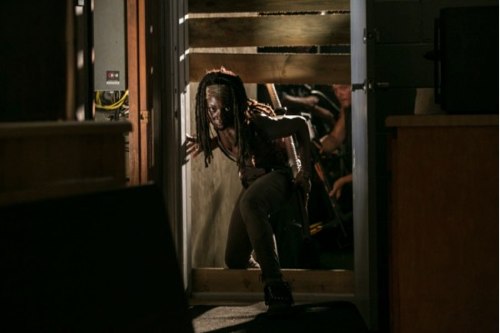
Michonne has a fairly simple character arc in the comics, well suited for the medium. Will that hold up on this show? How differently will she act.
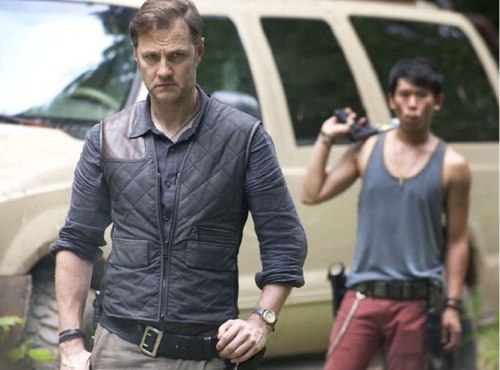
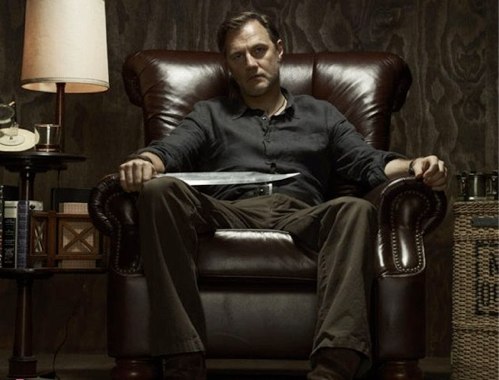
Meanwhile, has there been a character on modern television more ripe for “BUT IN THE COMICS?!?!!?” fan griping than The Governor? He can’t be a mustache twirling villain, he needs to have his heartbreaking motivation, he needs to be charming, he needs to believe that sexual assault is on the table when discussing torture options.
With the signature storyline of the series now at hand, this is a make or break season for TWD critically. I’d love to say that the evidence suggests you be exited to for it.
I’d love that.